

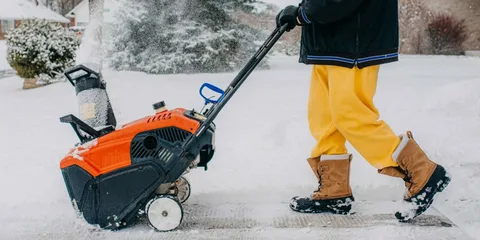
Winter brings the challenge of heavy snowfall, and having the right snow blower can make all the difference. Choosing between a single-stage and a two-stage snow blower is critical for efficient snow removal. In this article, we will explore the differences, advantages, and ideal uses for each type, helping you make an informed decision.
What is a Single-Stage Snow Blower?
A single-stage snow blower is designed for lighter snowfalls, typically up to 8–12 inches deep. It features a single high-speed auger that both collects and throws the snow in one pass.
Advantages of Single-Stage Snow Blowers:
- Lightweight and compact: Easy to maneuver in tight spaces like driveways and sidewalks.
- Cost-effective: Generally less expensive than two-stage models.
- Easy storage: Smaller footprint for garages and sheds.
Limitations:
- Struggles with heavy, wet snow or icy conditions.
- Not ideal for long driveways or large areas.
What is a Two-Stage Snow Blower?
A two-stage snow blower is built for more demanding conditions. It uses an auger to break up snow and ice and a separate impeller to throw it far away from the cleared area.
Advantages of Two-Stage Snow Blowers:
- Handles heavy snow: Ideal for snowfalls over 12 inches.
- Better for large areas: Efficient on long driveways, sidewalks, and parking lots.
- Works on uneven surfaces: Can handle gravel and rough terrain without picking up debris.
Limitations:
- Larger and heavier, requiring more storage space.
- More expensive and may need extra maintenance.
Single-Stage vs Two-Stage Snow Blower: Which One Should You Choose?
When deciding between a single-stage vs two-stage snow blower, consider these factors:
- Snowfall frequency and depth: Single-stage is sufficient for light, infrequent snow. Two-stage is better for heavy, frequent snowfalls.
- Area size: Small driveways and paths are perfect for single-stage models. Large areas require the power of a two-stage blower.
- Budget and storage: Single-stage blowers are affordable and compact, while two-stage models are an investment.
Conclusion
Understanding the differences between a single-stage vs two-stage snow blower is essential for winter preparation. A single-stage snow blower works best for light, manageable snow, while a two-stage snow blower excels in heavy snow and larger areas. Choosing the right type will save time, reduce effort, and make winter snow removal much more manageable.
