

Surveying has evolved significantly over the years, thanks to technological advancements like rtk gps. Real-Time Kinematic (RTK) GPS technology has transformed how surveyors achieve high-precision measurements in real time. In this article, we will explore the benefits, challenges, and best practices of using RTK GPS in surveying.
What is RTK GPS?
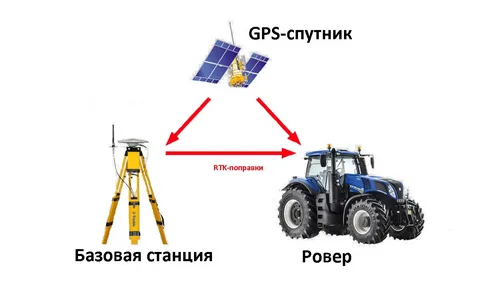
RTK GPS is a satellite navigation technique that enhances the accuracy of standard GPS systems. By using a fixed base station and a mobile rover receiver, RTK GPS can provide centimeter-level accuracy. Unlike traditional GPS, which may have errors of several meters, RTK GPS delivers real-time corrections, making it ideal for professional surveying projects.
Benefits of RTK GPS in Surveying
- High Accuracy:
RTK GPS provides real-time, centimeter-level positioning, which is critical for boundary surveys, construction staking, and topographic mapping. - Increased Efficiency:
Surveyors can collect accurate data faster compared to conventional methods, reducing time spent in the field. - Real-Time Data:
With RTK GPS, surveyors can instantly verify measurements, reducing the need for repeat visits and minimizing errors. - Versatility:
RTK GPS works in various environments, including urban areas, construction sites, and remote locations, making it highly adaptable.
Challenges of Using RTK GPS
Despite its advantages, RTK GPS in surveying comes with certain challenges:
- Signal Obstruction:
Buildings, trees, or other structures can block GPS signals, affecting accuracy. - Dependency on Base Station:
RTK requires a stable base station or access to a network of reference stations, which may not always be available. - Weather Sensitivity:
Severe weather conditions, such as heavy rain or dense cloud cover, can impact satellite signal quality. - Technical Expertise:
Surveyors need proper training to set up and operate RTK GPS systems effectively, which may require additional resources.
Best Practices for RTK GPS Surveying
To maximize the benefits of RTK GPS, consider the following best practices:
- Ensure Clear Satellite Visibility:
Position the base station and rover where there is minimal obstruction from buildings, trees, or other objects. - Use Quality Equipment:
Invest in reliable RTK GPS receivers and maintain them regularly to ensure accurate results. - Perform System Checks:
Before starting the survey, verify that the base station is stable and the rover is receiving corrections properly. - Train Survey Teams:
Proper training is essential to ensure that the equipment is used correctly and efficiently. - Plan for Redundancy:
Have backup strategies in case of signal loss, such as using post-processing techniques to correct data.
Conclusion
RTK GPS in surveying has revolutionized the field by providing unmatched accuracy, efficiency, and real-time capabilities. While challenges like signal obstruction and technical expertise exist, adopting best practices can help surveyors harness the full potential of RTK GPS. By carefully planning surveys and investing in quality equipment, professionals can achieve precise results while saving time and resources.
