

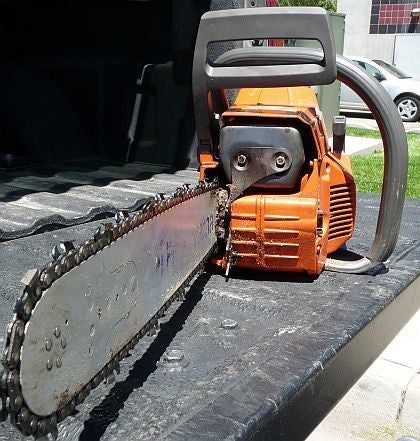
Proper storage is often an overlooked aspect of chainsaw ownership, yet it plays a crucial role in extending the life of your valuable tool, ensuring its reliability, and maintaining its safety. Whether you’re storing your chainsaw for a few weeks between uses or for an entire off-season, neglecting proper procedures can lead to fuel system issues, rust, dull chains, and overall degradation. By following a few simple steps, you can ensure your chainsaw is ready to perform when you need it, saving you time, money, and frustration in the long run.
Why Proper Chainsaw Storage Matters
Storing a chainsaw incorrectly can lead to a host of problems:
- Fuel Degradation: Gasoline, especially ethanol-blended fuel, can degrade over time, forming gummy deposits that clog carburetors and fuel lines. This is a leading cause of hard starting and poor performance.
- Rust and Corrosion: Moisture can lead to rust on metal components, particularly the chain and guide bar, impairing their function and requiring costly replacements.
- Dull or Damaged Chain: Leaving a chain exposed can lead to nicks, dulling, or even rust, compromising cutting efficiency and safety.
- Plastic and Rubber Degradation: Exposure to extreme temperatures or direct sunlight can cause plastic components to become brittle and rubber seals to crack.
- Pest Infestation: Rodents and insects can build nests in air filters or other crevices, causing blockages and damage.
Short-Term Storage (Up to a Few Weeks)
For periods of a few days to a few weeks, less intensive preparation is needed, but still important:
- Clean the Saw: Before putting it away, quickly clean off any sawdust, dirt, and sap from the chain, bar, air filter, and cooling fins. A stiff brush and a damp cloth usually suffice.
- Check Chain Tension: Ensure the chain is properly tensioned. A slightly loose chain is better than one that’s too tight, as it allows for natural expansion and contraction without stressing components.
- Top Off Bar Oil: Make sure the bar oil reservoir is full to prevent air from entering the system and to keep the bar and chain lubricated.
- Store in a Dry Place: Keep the chainsaw in a dry, cool place, away from direct sunlight and extreme temperatures. A garage or shed is usually fine.
Long-Term Storage (More Than a Month)
For extended periods, such as over the winter or when the cutting season ends, more comprehensive steps are necessary:
1. Fuel System Preparation (Gas Chainsaws)
This is the most critical step for gas-powered chainsaws. You have two main options:
- Run Dry: Empty the fuel tank, then start the chainsaw and let it run until it completely runs out of fuel. This ensures the carburetor and fuel lines are free of fuel that could degrade.
- Use Fuel Stabilizer: If you prefer to leave fuel in the tank, add a high-quality fuel stabilizer according to the manufacturer’s instructions. Run the engine for a few minutes to ensure the stabilized fuel circulates throughout the system. This prevents fuel degradation and gumming.
For electric/battery chainsaws, simply remove the battery (store it in a cool, dry place at about 50% charge) or unplug the cord.
2. Clean Thoroughly
Give the chainsaw a deep clean. Remove the guide bar and chain. Clean all sawdust, sap, and debris from the bar groove, chain, sprocket, and around the clutch. Clean the air filter (replace if necessary) and spark plug.
3. Lubricate and Protect
- Bar and Chain: Lightly oil the chain and guide bar to prevent rust. You can use bar oil or a general lubricant.
- Spark Plug Hole (Gas Saws): For gas saws, remove the spark plug and put a teaspoon of clean engine oil into the cylinder. Gently pull the starter cord a few times to distribute the oil, then reinstall the spark plug. This lubricates the cylinder walls and prevents rust during storage.
4. Store the Chain Separately
If possible, remove the chain and store it in a plastic bag lightly oiled to prevent rust. This also protects the chain from accidental damage.
5. Secure and Protect
- Chain Guard: Always place the chain guard over the guide bar and chain.
- Proper Orientation: Store the chainsaw in a stable, flat position, or hang it securely if designed for it. Avoid storing it upside down.
- Climate-Controlled Environment: Ideally, store your chainsaw in a cool, dry, and stable environment, such as a climate-controlled garage, basement, or workshop. Avoid areas with extreme temperature fluctuations or high humidity.
- Pest Control: Ensure the storage area is free from rodents and insects.
Conclusion
Proper chainsaw storage is an investment of a little time that pays off significantly in the long run. By diligently following these tips for both short-term and long-term storage, you can protect your chainsaw from common issues like fuel degradation and rust, ensuring it remains a reliable, efficient, and safe tool for years to come. A well-maintained and properly stored chainsaw is a happy chainsaw, ready for action whenever duty calls.
