

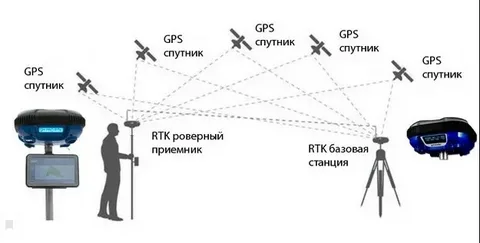
Modern farming is evolving rapidly, and technology is playing a pivotal role in increasing productivity and efficiency. One of the most impactful innovations in agriculture is tractor guidance system. These systems help farmers operate tractors with precision, saving time, fuel, and reducing crop damage. However, choosing the right tractor guidance system for your farm can be a critical decision that affects your long-term operational success.
Understanding Tractor Guidance Systems
Tractor guidance systems use GPS, sensors, and advanced software to help operators steer tractors accurately along predefined paths. This precision ensures even planting, fertilizing, and harvesting, which leads to improved crop yield and resource optimization.
There are several types of tractor guidance systems available:
- Manual Guidance: Requires the operator to steer while following visual or physical markers.
- Assisted Steering Systems: Provides guidance lines or alerts but still requires manual control.
- Autonomous Steering Systems: Fully automated, allowing the tractor to operate independently with minimal human intervention.
Factors to Consider When Choosing a Tractor Guidance System
Selecting the right system requires careful consideration of multiple factors. Here’s what farmers should keep in mind:
1. Farm Size and Terrain
Large farms or irregular terrains benefit most from advanced GPS-based guidance systems. Smaller farms may find assisted steering sufficient.
2. Crop Type
Different crops may require varying levels of precision. High-value crops like vegetables or fruits may justify investment in fully automated systems, while grains may be more forgiving.
3. Budget and Return on Investment
Tractor guidance systems range from affordable basic units to high-end autonomous setups. Evaluate the potential efficiency gains to determine if the investment aligns with your farm’s financial goals.
4. Compatibility
Ensure the guidance system integrates with your existing tractors and other farm management technologies.
Benefits of the Right Tractor Guidance System
Investing in a suitable guidance system can provide several advantages:
- Increased Accuracy: Reduces overlap and missed areas, saving seeds, fertilizer, and fuel.
- Time Efficiency: Automates repetitive tasks, allowing more work to be completed in less time.
- Reduced Operator Fatigue: Less manual steering means lower stress on tractor operators.
- Better Data Collection: Modern systems can record operational data, helping optimize future farming strategies.
Conclusion
Technology is reshaping agriculture, and tractor guidance systems are at the forefront of this transformation. Carefully choosing the right tractor guidance system for your farm ensures maximum productivity, cost savings, and improved crop management. By evaluating farm size, crop type, budget, and system compatibility, farmers can make an informed decision that will benefit their operations for years to come.
