

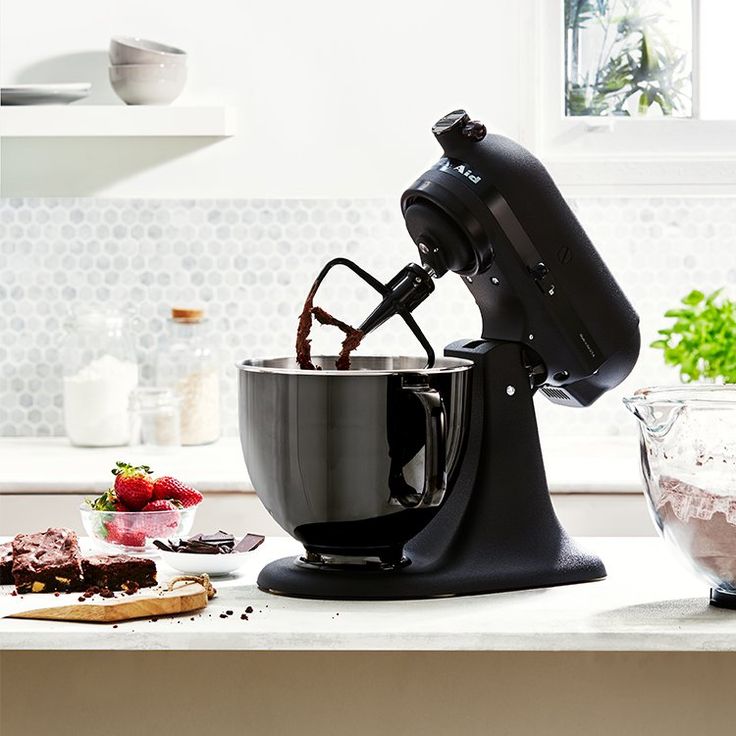
For any home cook or passionate baker in New Zealand, a kitchen mixer nz is an invaluable tool that can transform culinary tasks from tedious to effortless. Whether you’re whipping up a light meringue, kneading a dense sourdough, or blending a smooth cake batter, the right mixer can make all the difference. However, with a diverse range of models, features, and price points available across the NZ market, choosing the perfect mixer can be a daunting task. This buyer’s guide aims to simplify the decision-making process by comparing key aspects and popular options for New Zealand consumers.
1. Hand Mixer vs. Stand Mixer: Which is Right for You?
The first crucial decision is determining whether a hand mixer or a stand mixer best suits your needs and cooking habits.
- Hand Mixers:
- Pros: Highly portable, lightweight, easy to store (often fit in a drawer), and generally more affordable. They offer precise control for smaller, quicker tasks like whipping cream, beating eggs, or mixing thin batters. Ideal for kitchens with limited counter space.
- Cons: Less powerful for heavy doughs or large batches, require continuous holding, and typically come with fewer attachments.
- Best for: Occasional bakers, those with small kitchens, or individuals who primarily perform light mixing tasks.
- Stand Mixers:
- Pros: Feature powerful motors capable of handling heavy doughs (like bread or pizza), large batches, and prolonged mixing without user fatigue. They offer hands-free operation, allowing you to multitask. Highly versatile with a wide array of optional attachments (e.g., pasta makers, meat grinders, ice cream makers) that connect to a power hub. Built for durability and stability.
- Cons: More expensive, larger and heavier (requiring dedicated counter space or sturdy storage), and can be less efficient for very small quantities.
- Best for: Avid bakers, those who frequently prepare large batches, or individuals seeking a multi-functional kitchen machine for diverse culinary tasks.
2. Key Features to Compare
Once you’ve decided on the type of mixer, delve into the specific features that impact performance and user experience.
- Motor Power (Watts): Higher wattage generally indicates more power, crucial for handling thicker doughs. For stand mixers, look for at least 300W-500W for everyday use, and 600W+ for heavy-duty kneading. Hand mixers typically range from 150W-350W.
- Bowl Capacity: Measured in litres (L) for stand mixers. Common sizes range from 3.3L (mini) to 7L+. Choose a size that accommodates your typical batch sizes.
- Speed Settings: Look for variable speed controls, ideally with a slow start feature to prevent splattering, and a good range from very slow (for folding) to high (for whipping).
- Attachments (Standard & Optional):
- Standard: Most stand mixers come with a flat beater (for batters), a wire whisk (for aerating), and a dough hook (for kneading). Hand mixers usually include beaters and dough hooks.
- Optional: Consider the availability and cost of additional attachments if you plan to expand your mixer’s functionality.
- Construction Material: All-metal construction (common in higher-end stand mixers) indicates greater durability and stability. Plastic bodies are lighter and more affordable.
- Design (Tilt-Head vs. Bowl-Lift): For stand mixers, tilt-head designs allow the head to tilt back for easy bowl access, while bowl-lift models have a fixed head and the bowl lifts into place, often found on larger, more powerful mixers.
- Noise Level: Some mixers can be quite noisy, especially at higher speeds. While hard to assess without testing, reviews can offer insights.
3. Popular Brands in NZ and Their Strengths
New Zealand retailers offer a strong selection of globally recognized mixer brands:
- KitchenAid: (Stand Mixers) Iconic design, robust build, excellent for everyday baking, and extensive attachment ecosystem. Popular for its aesthetics and reliability.
- Kenwood: (Stand & Hand Mixers) Known for powerful motors, especially good for heavy doughs and large capacities. Offers a wide range of multi-functional attachments.
- Breville: (Stand Mixers) Often features innovative, user-friendly designs like integrated bowl scrapers and powerful motors.
- Sunbeam: (Stand & Hand Mixers) Provides accessible and reliable options, especially good for budget-conscious buyers and everyday tasks.
- Russell Hobbs: (Hand Mixers) Offers stylish and affordable hand mixers, great for quick, light tasks.
4. Where to Buy in NZ
You can find kitchen mixers at major appliance retailers across New Zealand:
- Noel Leeming & Harvey Norman: Offer a wide range of brands and models, from budget-friendly to high-end, often with competitive sales.
- The Warehouse & Kmart NZ: Excellent for very affordable, entry-level hand and stand mixers.
- Specialty Kitchen Stores (e.g., Stevens, Chef’s Complements): May offer a more curated selection of high-end models and expert advice.
- Online Retailers (e.g., PriceMe, PriceSpy, Mighty Ape): Great for comparing prices and finding deals across various stores.
By carefully considering your needs, comparing features, and exploring options from reputable brands, you can confidently choose the best kitchen mixer to enhance your culinary adventures in your New Zealand home.
