

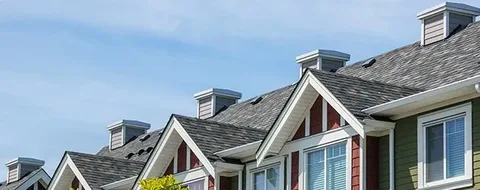
When it comes to maintaining a home, one of the most critical decisions homeowners face is whether to repair a damaged roof or replace it entirely. Understanding the costs and long-term implications can help you make a financially sound decision. In this article, we explore the differences between roof replacement and roof repair, and help you determine which option is more affordable.
Understanding Roof Repair
Roof repair involves fixing specific issues on your existing roof without replacing the entire structure. Common roof repairs include:
- Shingle replacement – fixing missing or damaged shingles.
- Leak sealing – addressing water infiltration points.
- Flashing repair – fixing areas around chimneys, vents, and skylights.
Roof repairs are usually less expensive upfront than a full replacement. However, if your roof has widespread damage or is nearing the end of its lifespan, multiple repairs may add up quickly, sometimes surpassing the cost of a full replacement.
Understanding Roof Replacement
Roof replacement, also known as re-roofing, involves removing the old roof and installing a completely new one. This process ensures:
- Long-term durability – a new roof can last 20–30 years depending on the material.
- Improved energy efficiency – newer materials often provide better insulation.
- Enhanced property value – a new roof can increase the resale value of your home.
While the initial roof replacement cost is higher, it can be a better investment if your roof is extensively damaged or outdated.
Factors Affecting Cost
Both roof repair and replacement costs vary based on several factors:
- Roof Size and Pitch – Larger or steeper roofs require more materials and labor.
- Materials – Asphalt shingles are cheaper than metal, slate, or tile.
- Extent of Damage – Minor leaks are cheaper to repair, while structural damage may necessitate replacement.
- Labor Costs – Local labor rates can significantly impact the total cost.
By evaluating these factors, homeowners can get a clearer picture of potential expenses.
Roof Replacement Cost vs. Roof Repair: Which Is More Affordable?
Deciding between roof repair and roof replacement isn’t always straightforward. Here’s a practical guide:
- Short-term affordability: Roof repair is generally more affordable if the damage is minor and your roof is relatively new.
- Long-term savings: Roof replacement may be more cost-effective in the long run if your roof is aging or has extensive damage. Continuous repairs can add up and eventually exceed the cost of replacement.
- Insurance considerations: Some insurance policies cover roof repair due to storm damage but may not cover full replacement unless it’s necessary.
Ultimately, comparing the roof replacement cost vs. roof repair requires analyzing the immediate expenses, the age and condition of your roof, and your long-term financial goals.
Making the Right Choice
To decide whether to repair or replace, consider the following steps:
- Inspect your roof: Look for missing shingles, leaks, and structural damage.
- Get multiple quotes: Consult licensed roofing contractors for estimates.
- Evaluate your timeline: If your roof is old or deteriorating rapidly, replacement may prevent future headaches.
- Consider warranties: New roofs often come with warranties, whereas repairs may only offer limited guarantees.
By weighing these factors, homeowners can make an informed decision that balances cost and long-term benefits.
Conclusion
In the debate of roof replacement cost vs. roof repair, there is no one-size-fits-all answer. Roof repair can be more affordable for minor issues and short-term needs, while roof replacement may offer long-term savings and security for older or extensively damaged roofs. Evaluating your roof’s condition, costs, and future needs is key to choosing the best option.
