

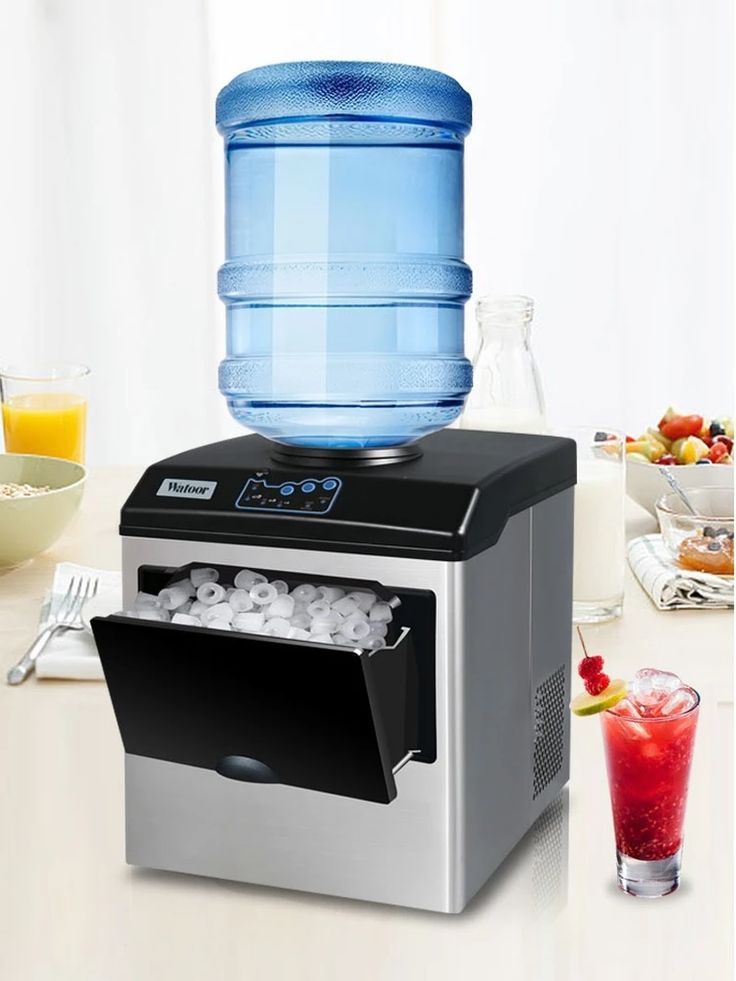
In 2025, energy efficiency is no longer just a buzzword; it’s a critical factor in appliance selection for both environmental responsibility and long-term cost savings. Ice machines, whether for home or commercial use, operate continuously and can consume a significant amount of electricity and water. Investing in an energy-efficient model not only reduces your carbon footprint but also translates directly into lower utility bills. This article will explore the features that define energy-efficient ice machine and highlight what to look for when choosing a top performer in 2025.
Why Energy Efficiency Matters
The benefits of choosing an energy-efficient ice machine extend beyond just saving money:
- Reduced Operating Costs: Lower electricity and water consumption directly translates to significant savings on your utility bills over the lifespan of the machine.
- Environmental Impact: Less energy consumption means a smaller carbon footprint, contributing to a more sustainable future. Many energy-efficient models also use eco-friendly refrigerants with lower global warming potential.
- Improved Lifespan: Efficient machines often experience less strain on their components, potentially leading to a longer operational lifespan and fewer repairs.
- Quieter Operation: Energy-efficient designs often incorporate advanced components that also result in quieter performance, a bonus for home and office environments.
Key Features of Energy-Efficient Ice Machines
Modern energy-efficient ice machines integrate several technologies and design principles to minimize resource consumption:
- ENERGY STAR® Certification: This is the most straightforward indicator of energy efficiency. Products bearing the ENERGY STAR® label meet strict energy efficiency guidelines set by the U.S. Environmental Protection Agency (EPA). Look for this certification for both residential and commercial models.
- High-Efficiency Compressors: The compressor is the heart of the refrigeration system. Energy-efficient models feature advanced compressors designed to operate with less power while maintaining optimal ice production.
- Optimized Cooling Systems:
- Air-Cooled: Most common for home and many commercial units. Efficient air-cooled systems have well-designed airflow paths and quiet, energy-saving fans to dissipate heat effectively. Proper ventilation around the machine is crucial for their efficiency.
- Water-Cooled: More efficient in hot ambient environments, but they use water to cool the condenser, which can increase water consumption. Some advanced systems recycle water for greater efficiency.
- Remote-Cooled: For large commercial applications, remote condensers move heat and noise away from the main area, leading to significant energy savings and a cooler environment.
- Insulated Storage Bins: Well-insulated ice bins help to maintain the ice’s temperature, reducing the need for the machine to run frequent cycles to keep the ice frozen. This minimizes energy consumption for preservation.
- Intelligent Controls and Sensors:
- Adaptive Production: Advanced control systems and sensors monitor ice levels and demand, adjusting production cycles to optimize energy use.
- Programmable Timers: Some machines allow you to schedule ice production during off-peak electricity hours, further reducing costs.
- Self-Diagnostics: Smart features can provide real-time performance data and maintenance alerts, ensuring the machine operates at peak efficiency.
- Water Conservation Features: Many energy-efficient models are also designed to be water-efficient, minimizing water waste during the ice-making process.
Top Energy-Efficient Ice Machines for 2025
While specific model availability and features can evolve, here are types and brands consistently recognized for their energy efficiency:
- ENERGY STAR® Certified Commercial Models: Leading brands like Manitowoc Ice, Scotsman Ice Systems, and Hoshizaki offer numerous ENERGY STAR® certified commercial ice machines across various production capacities and ice types (cube, flake, nugget). These are often the best choice for businesses looking for significant long-term savings.
- Residential Nugget Ice Makers (e.g., GE Profile Opal 2.0): While higher-end, models like the GE Profile Opal 2.0 are often praised for their efficient nugget ice production and smart features that contribute to optimized energy use.
- Efficient Countertop Models: Many modern countertop ice makers from brands like Euhomy and GoveeLife are designed with energy-saving compressors and efficient freezing cycles, offering a good balance of convenience and lower energy consumption for home use. Look for models that explicitly mention energy-saving modes or low wattage.
Conclusion
Choosing an energy-efficient ice machine in 2025 is a smart decision that benefits both your wallet and the planet. By prioritizing models with ENERGY STAR® certification, high-efficiency components, and intelligent controls, you can ensure a steady supply of ice while significantly reducing your utility bills and environmental impact. Always review a machine’s specifications and look for features designed to maximize energy savings for the best long-term value.
