

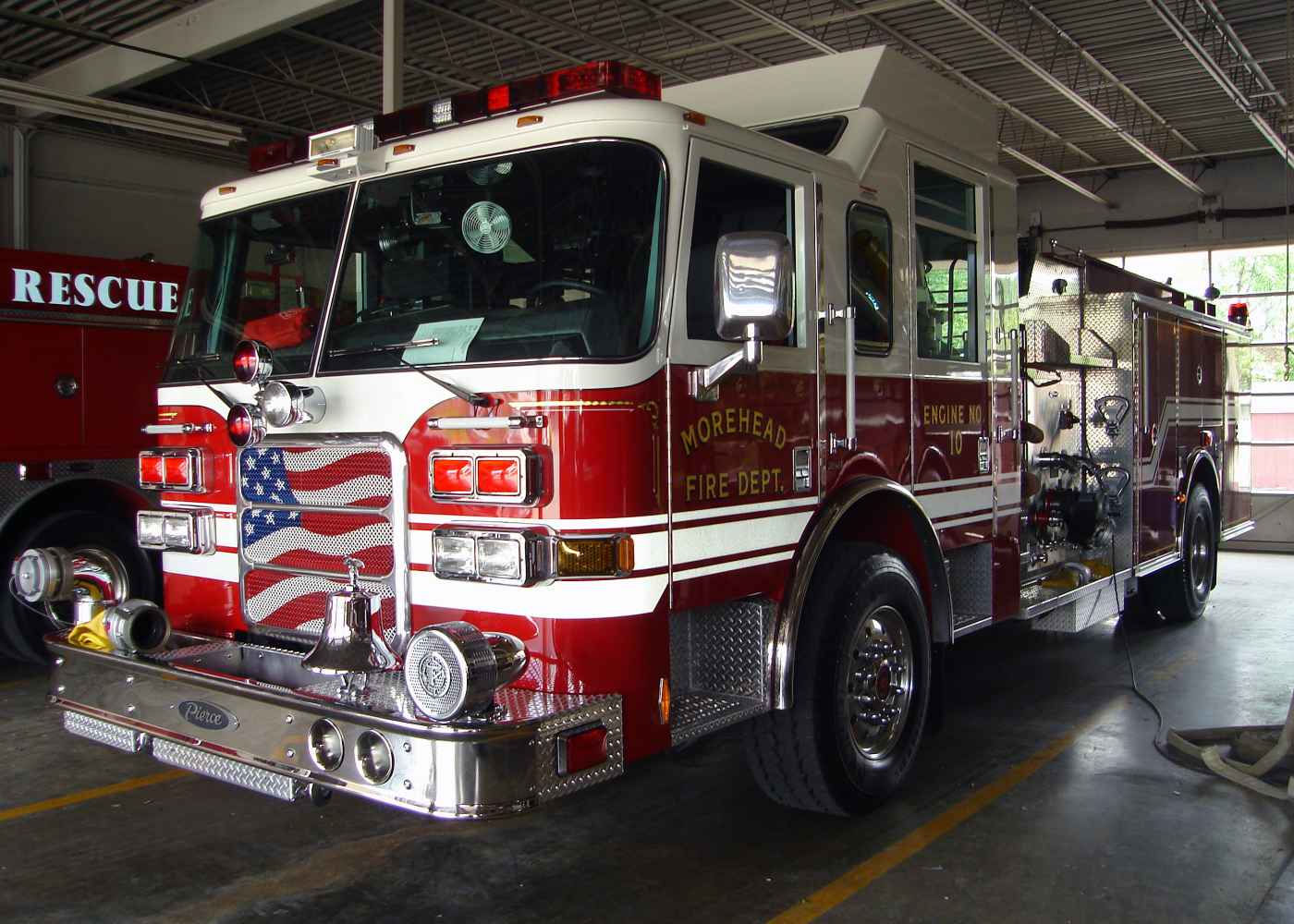
A skid unit represents the heart of any wildland firefighting operation that relies on mobile suppression capability. These self-contained systems combine water tanks, pumps, hose reels and control manifolds into integrated packages that slip into truck beds or mount on UTVs. Building the right custom configuration requires understanding how each component affects overall performance and matching specifications to your department’s specific terrain, response patterns, staffing levels and suppression strategies.
Walking through the anatomy of a properly designed skid unit helps departments make decisions that result in equipment truly suited to their missions.
Selecting the Right Pump Configuration
The pump determines how effectively water reaches the fire, making this choice among the most consequential in any custom build. Departments must decide between high-pressure diesel pumps and gasoline alternatives, each offering distinct advantages for different applications.
Diesel pumps deliver sustained high-pressure output that excels at reaching fires from greater distances and penetrating dense vegetation. These units typically provide longer service life and better fuel economy during extended operations.
Gasoline pumps cost less initially and weigh less, making them attractive for UTV applications where every pound affects vehicle performance. They start more easily in cold conditions and require simpler maintenance that volunteer departments with limited mechanical expertise can manage independently.
The pump must match intended hose lengths and nozzle configurations. Undersized pumps cannot deliver adequate pressure through extended hose lays while oversized units waste weight capacity better allocated to water.
Determining Tank Capacity
Water tank size involves tradeoffs between suppression duration and vehicle mobility. Larger tanks provide more firefighting time before requiring refill, but the added weight affects acceleration, braking, fuel consumption and terrain capability.
Tanks ranging from seventy-five to three hundred gallons cover most wildland applications. Smaller capacities suit UTV mounts where weight constraints prove severe. Full-sized pickup trucks accommodate larger tanks that extend operational time between water sources.
Consider water availability in your response area when selecting capacity. Departments with nearby ponds, hydrants or tender support can operate effectively with smaller tanks. Those responding to remote areas without accessible water sources need larger capacity to accomplish meaningful suppression before exhausting supply.
Tank material affects both weight and durability. Polyethylene tanks resist corrosion while remaining lighter than metal alternatives. The shape must fit available bed space while maintaining low center of gravity for vehicle stability on slopes.
Integrating Foam Proportioning Systems
Foam dramatically increases water’s effectiveness by reducing surface tension, allowing moisture to penetrate fuels rather than running off. Proper foam integration multiplies the suppression power of every gallon carried, effectively extending tank capacity without adding weight.
Foam proportioning systems automatically mix concentrate with water at consistent ratios. Fixed-ratio systems provide simplicity while adjustable proportioners allow crews to match foam concentration to specific fuel types and fire conditions.
Choosing trusted companies like Kickashskid ensures access to custom builds incorporating proven foam systems like the Trident Foammate alongside integral foam tanks that keep concentrate separate from water until mixing occurs. Their stainless steel plumbing and weatherproof control consoles withstand the harsh conditions wildland operations present.
The foam tank capacity should provide adequate concentrate for multiple tank loads of water. Running out of foam while water remains wastes the enhanced capability that justifies foam system investment.
Configuring Hose Reel Assemblies
Hose reels determine how quickly crews deploy and retrieve attack lines. Polished aluminum reels resist corrosion while providing smooth operation under tension. Reel capacity must match the hose lengths your tactics require.
Lightweight booster hose reduces fatigue during extended operations while remaining durable enough for rough terrain. Standard configurations accommodate around two hundred feet, though custom builds can increase capacity for applications requiring longer reaches.
Reel mounting position affects operational efficiency. Side mounts allow deployment while the vehicle remains in motion. Rear mounts simplify straight-line deployment but require stopping before pulling hose. The right choice depends on how your crews actually fight fires.
Designing Control Interfaces
The control console serves as the operator’s interface with all skid functions. Layout determines how intuitively crews manage pump operation, foam proportioning, pressure regulation and valve selection during high-stress incidents.
Weatherproof construction protects electronic and mechanical controls from water, dust, heat and impact damage. Aluminum-faced consoles withstand years of field use while remaining readable under bright sunlight.
Control placement should accommodate operation by crew members of varying heights while remaining accessible from ground level. Labels must remain visible after extended service, making engraved or embossed markings preferable to applied decals that peel over time.
Ensuring Quality Construction
The frame supporting all components must withstand vibration, impact and the stresses of rough terrain travel. Stainless steel hardware resists corrosion that would compromise connections over time. Quality welding ensures joints hold under operational loads.
Every custom build should match the specific vehicle it will occupy. Dimensions must fit available bed space while weight distribution maintains safe handling characteristics. Mounting points need adequate strength to secure the unit during aggressive driving that wildland response often requires.
